How To Start Freelancing Without Experience
A Simple Framework
Daniel Amanya
5/1/20267 min read
Start Freelancing Without Experience: A Simple Framework
The global freelance market is worth over $1.5 trillion. Right now, thousands of clients on Upwork alone are posting jobs every single day — and most of them cannot find reliable people to do the work. That gap is your opportunity. The only question is: are you going to take it?
I'm going to show you exactly how to go from zero — no experience, no portfolio, no clients — to a working freelancer in 30 days. This is the framework. Let's get into it.
Step 1: Identify or Learn a Marketable Skill (Days 1–3)
Your first 3 days have one job: lock in your skill. Not next week. Not after you "do more research." 3 days. That's it.
Ask yourself honestly — is there something you already do that other people find valuable? A skill you've been using casually without realising it has market value? Start there. If not, pick one of the categories below and commit. The longer you wait to choose, the longer you wait to earn.


Here are 3 broad skill categories with real earning potential for beginners:
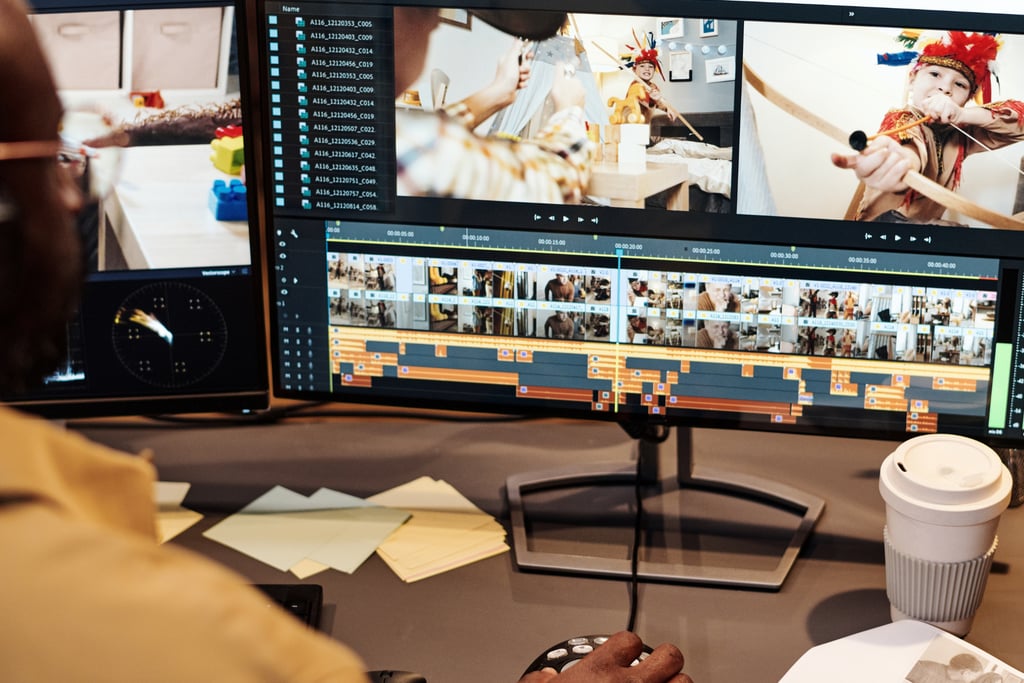
Video Editing
Short-form video is the fastest growing content format in the world right now. Brands, creators, and businesses all need it — and many are willing to pay $50–$300 per reel or short-form video. As a beginner, you can offer:
• Reels for podcasts, YouTube channels, and brands — doable right from your phone in under 2 hours per video
• Teasers and trailers for weddings, school events, NGO events — a single wedding trailer can earn you $100–$200
• Basic YouTube video editing — adding intros, outros, and ads. Rates start at $15–$30 per video and grow fast with experience


Graphic Design
Every content creator needs visual content — and they need it consistently. A single client who posts 4 times a week needs 200+ graphics a year. That's recurring income for you. Entry-level graphic design services earn $5–$50 per piece on platforms like Fiverr, and $500–$1,500/month from retainer clients:
• Quote cards and carousels for social media — one of the most in-demand services right now
• Thumbnails — a top YouTube creator can pay $20–$50 per thumbnail, and they upload weekly
• Newsletter and ebook design — one ebook design project can pay $150–$400
Writing
Writing has one of the lowest startup costs of any freelance skill — all you need is a device and internet. And the demand is massive. Businesses need content every single week to stay visible online:
• Copywriting — a single sales email can earn you $50–$300 depending on the client
• Blog writing — most blogs pay $50–$200 per article. At 2 articles a week, that's $400–$1,600/month from one client
• Social media copy — some clients pay $300–$600/month just for captions
Step 2: Build Your Portfolio in 30 Days — For Free
Here's the most important mindset shift you need to make right now: in freelancing, nobody cares how many years of experience you have. They care about one thing — can you do the work? Prove that, and you get paid.
So this is your 30-day portfolio sprint. Here's exactly how it works:
• Week 1 (Days 1–7): Identify 3–5 people or small businesses in your community or online who could genuinely use your service. Approach them on Instagram, LinkedIn, email — wherever they're active.
• Week 2 (Days 8–14): Offer to do the work for free or at a heavily discounted rate (think 80–90% off your future rate) in exchange for a sample and a written testimonial. Be upfront — tell them exactly what you're doing and why.
• Week 3–4 (Days 15–30): Deliver excellent work for each client. Aim for at least 3 completed samples and 3 testimonials by the end of Day 30. That's your portfolio.
Why only 30 days? Because you don't need 6 months of free work to prove yourself. 3 strong samples and 3 genuine testimonials are enough to start landing paid clients. Don't drag this phase out. Do it, get it done, and move forward.
Step 3: Build Your Portfolio Website (1 Weekend)
You can build a clean, professional portfolio website in a single weekend. Not a month. Not two weeks. One weekend. Tools like Wix, Squarespace, and WordPress make it very accessible — no coding required.
Your website only needs 3 things to be effective: who you are and what you offer, 3–5 samples of your best work, and a way for clients to contact you. That's it. Don't overthink it. A simple site that's live beats a perfect site that doesn't exist yet.
Having a portfolio website alone puts you ahead of the majority of beginners applying for jobs on Upwork — most people don't have one. That's your immediate competitive edge.
Step 4: Get on the Platforms and Start Applying — By Day 35
By Day 35 — that's 5 days after your 30-day portfolio sprint — you should have active profiles on at least 2 freelancing platforms. Here are the main ones:
• Upwork — the biggest freelancing platform in the world, with over 5 million registered clients. Start here.
• Fiverr — great for fixed-price services and passive discovery. Set up at least 3 gigs.
• Freelancer, PeoplePerHour, Indeed — secondary platforms worth having a presence on
Your target in the first 2 weeks on Upwork: send at least 10 proposals. Most beginners send 2 or 3 and give up. Don't do that. The numbers game is real — the more you apply, the faster you find your first paid client. With a solid portfolio, your first paying client is often within the first 10–15 proposals.
As you apply and work with clients, you'll start to see exactly what the market is paying and what skills are in demand. That intelligence is priceless — and you can only get it by being in the game.
Step 5: Optimise Your LinkedIn and Social Media (1 Hour)
This step takes less than 1 hour and can pay off for months. Update your LinkedIn headline to clearly state the service you offer. Update your bio on Instagram or whichever platform you use. Pin a post that shows your work.
Clients search LinkedIn every day for freelancers. If your profile doesn't say what you do, you're invisible. One well-optimised LinkedIn profile has the potential to bring inbound inquiries to you — while you sleep. That's worth 1 hour of your time today.
Step 6: Learn How to Sell — Starting Now, Not Later
I'll be straight with you. Selling is the single most important skill in freelancing. More important than your technical skill. More important than your portfolio. Because without sales, none of the rest matters.
Here's the harsh truth: a mediocre freelancer who knows how to sell will out-earn a brilliant freelancer who doesn't, every single time. Every time.
Start learning to sell right now — today, this week. Read at least 1 book on sales in your first month. Watch at least 3 YouTube channels on selling services. Practice writing proposals every day you're on the platforms. The faster you get good at this, the faster your income grows.
Step 7: Never Stop Learning — Or Get Left Behind
The freelance market moves fast. Skills that were worth $500/month two years ago are being commoditised. New tools are cutting the time it takes to do certain jobs from 5 hours to 30 minutes. If you're not keeping up, you're falling behind — and clients will find someone who is.
Set aside at least 3–5 hours a week for learning. Follow the top creators in your niche. Take one new short course every month — most are free or under $20. Stay sharp. Stay current. The freelancers who are still thriving 5 years from now are the ones who invested in learning today.
Your 30-Day Action Plan at a Glance
• Days 1–3: Choose your skill. No more than 3 days on this.
• Days 4–30: Land 3–5 free or discounted clients. Collect 3 samples and 3 testimonials.
• Days 31–32: Build your portfolio website in one weekend.
• Days 33–35: Set up profiles on Upwork and Fiverr.
• Days 35 onwards: Send 10 proposals in your first 2 weeks. Learn to sell. Keep learning your craft.
For implementation of the above and accountability, schedule a call with me here: www.tidycal.com/amanya/free.
Final Thoughts: The Best Time to Start Is Right Now
The freelance economy is not slowing down. More businesses are hiring freelancers now than ever before — because it's cheaper, faster, and more flexible for them than hiring full-time staff. That trend is only accelerating.
But here's what I need you to understand: the window of opportunity is not permanent. The sooner you build your skills, your portfolio, and your reputation, the harder it becomes for anyone to take your position in the market. Every day you wait, someone else is getting started.
You don't need to be perfect. You need to start. Pick your skill today. Start reaching out this week. You could have your first paid client within 35 days from right now.
To start your online freelancing journey, get on a call with me here: www.tidycal.com/amanya/free
In my next post, I'm breaking down my top 7 freelancing skills — ranked by income potential, market demand, learning curve, and startup capital required. If you want to know exactly which skill to pick, you do not want to miss that one.